
Operations

Awareness program on environmental cleanliness and water care included the pre-school team of the Dintrans Kindergarten
This action is part of the 2024 Water Environmental Education Program, promoted by Codelco El Teniente Division, through a collaboration agreement with the Surveillance Board of the Cachapoal River, First Section and its Tributaries.


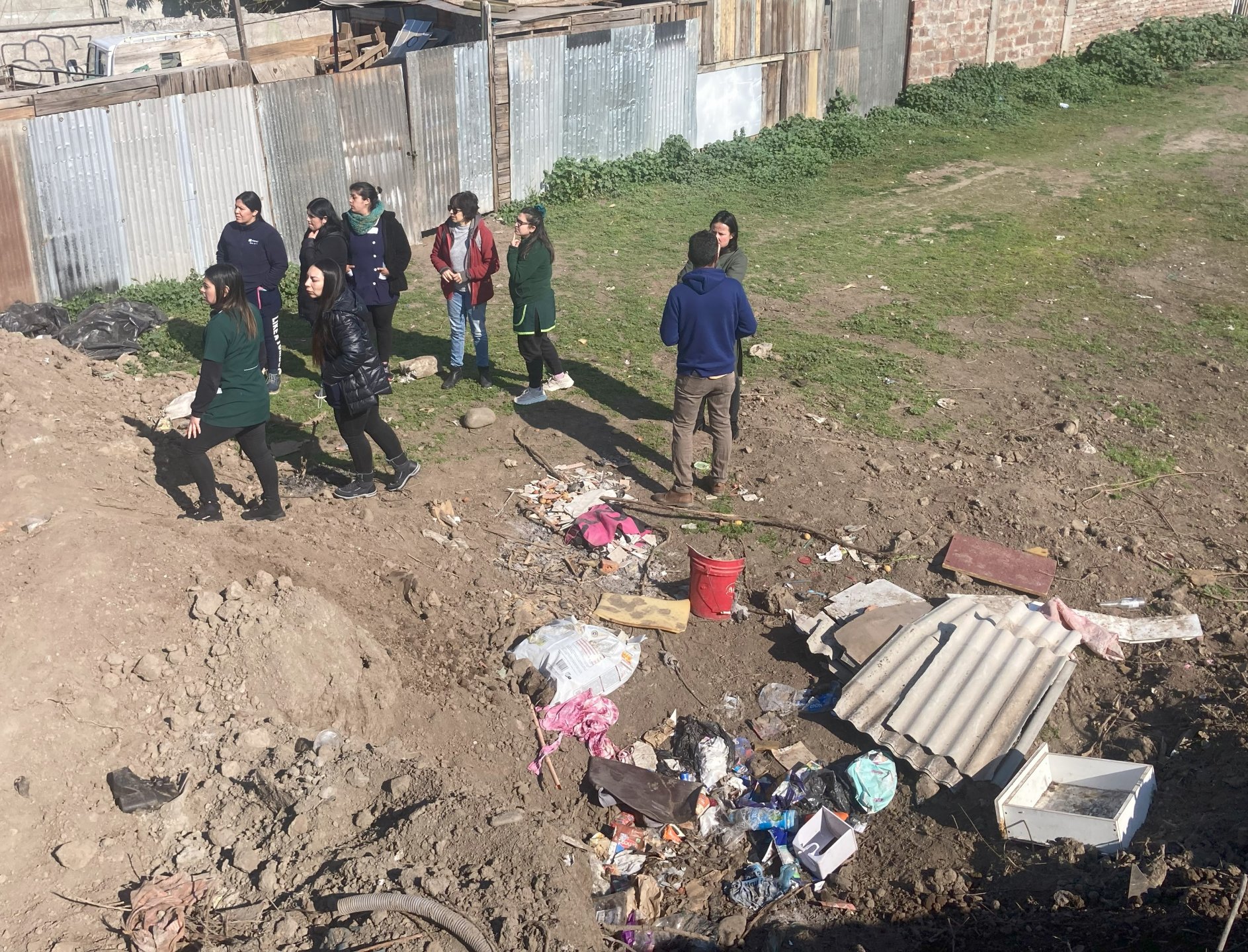
The preschool team from the Dintrans Kindergarten in Rancagua participated in the first “Garbage Route,” an activity organized as part of the 2024 Water Environmental Education Program, the training plan that emerged from the agreement between the Surveillance Board of the Cachapoal River, First Section and its Tributaries, and the Sustainability and External Affairs Management of Codelco El Teniente Division.
Vanessa Mancisidor, the program coordinator, thanked “the entire kindergarten team for coming to learn about this reality just a few blocks from the establishment and the importance of their work in teaching the little ones to create habits of respect for their environment and for caring for water.”
During the day, the team visited two critical points of the channel located a few meters from the garden. The first was the bridge on Eusebio Lillo Street, a key access to the Dintrans population. The second is located 50 meters west of the channel, on an undeveloped plot of land that is included in the plan for the future Cachapoal Park.
Rubén Garay, a caretaker of the San Pedro canal, explained the difficulties faced by canal operators in changing the custom of using canals as dumping grounds in urban areas. “Here we had to build a large ditch parallel to the canal to prevent further dumping of rubbish into the riverbed,” he explained.
The project, which will be developed throughout this year, aims to generate triple value (economic, social and environmental) and support the strategy of the El Teniente Division, which promotes various initiatives to promote the efficient use of water resources.
Educational line of the program
In the Dintrans community of Rancagua, the Kindergarten has become a fundamental pillar of the program, with more than 20 workshops that have involved parents, educators and students. Thanks to the support of the educational community, the aim is to promote environmental awareness and care for the environment.
Carlos Vásquez, Community Development Supervisor, said that “implementing this program is crucial because it not only educates children about water care, but also strengthens the community's collective awareness. This approach not only benefits the natural environment, but also contributes to social well-being and encourages sustainable practices, aligning with our commitment to create social and environmental value.”
Among the activities highlighted are the workshops for children carried out in collaboration with the educational team. These sessions bring children closer to water care in a fun way, through games, stories and practical activities.
For five years, the Water Environmental Education Program has been implemented in various localities such as Coya, Chacayes, Rancagua and Olivar. Through active collaboration, more than 100 workshops have been held, benefiting more than 1,600 people.
Tags
×