
Press

Extraordinary Shareholders' Meeting endorses measures adopted by Codelco to strengthen its management and controls
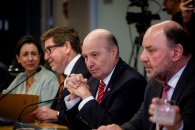
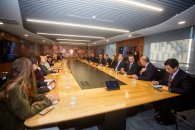
During the session, the shareholder representatives, the Minister of Finance, and the Minister of Economy and Mining learned about the actions taken by the board and the new administration regarding the irregularities detected in the 2024 and 2025 production records, and supported the process aimed at clarifying the facts, determining responsibilities, safeguarding the company's assets, and strengthening its control mechanisms.


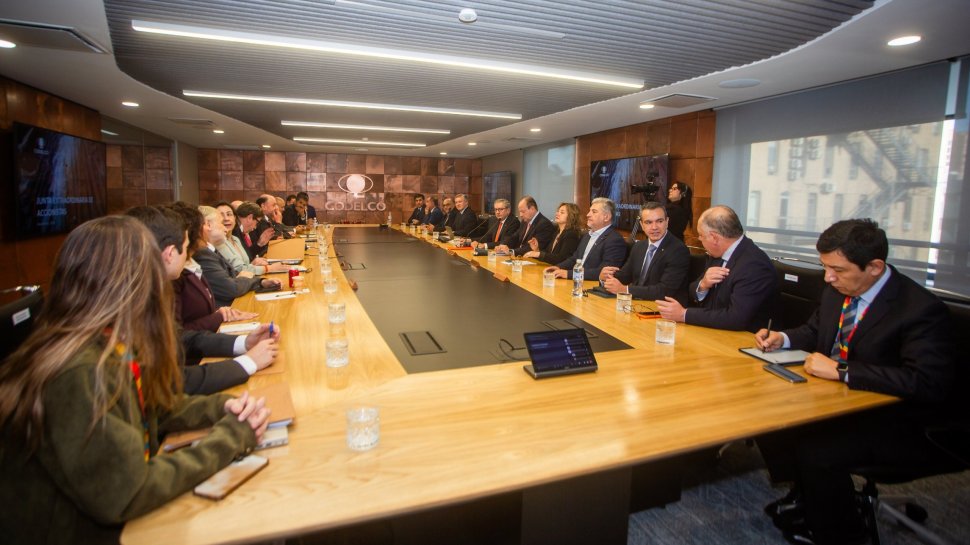
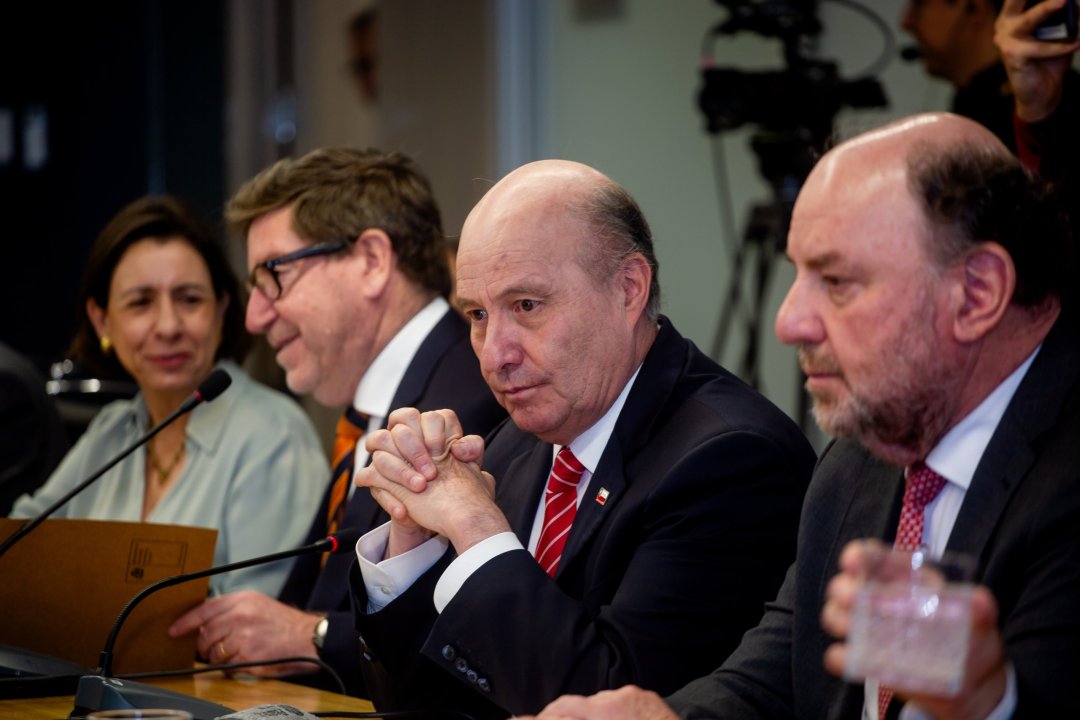
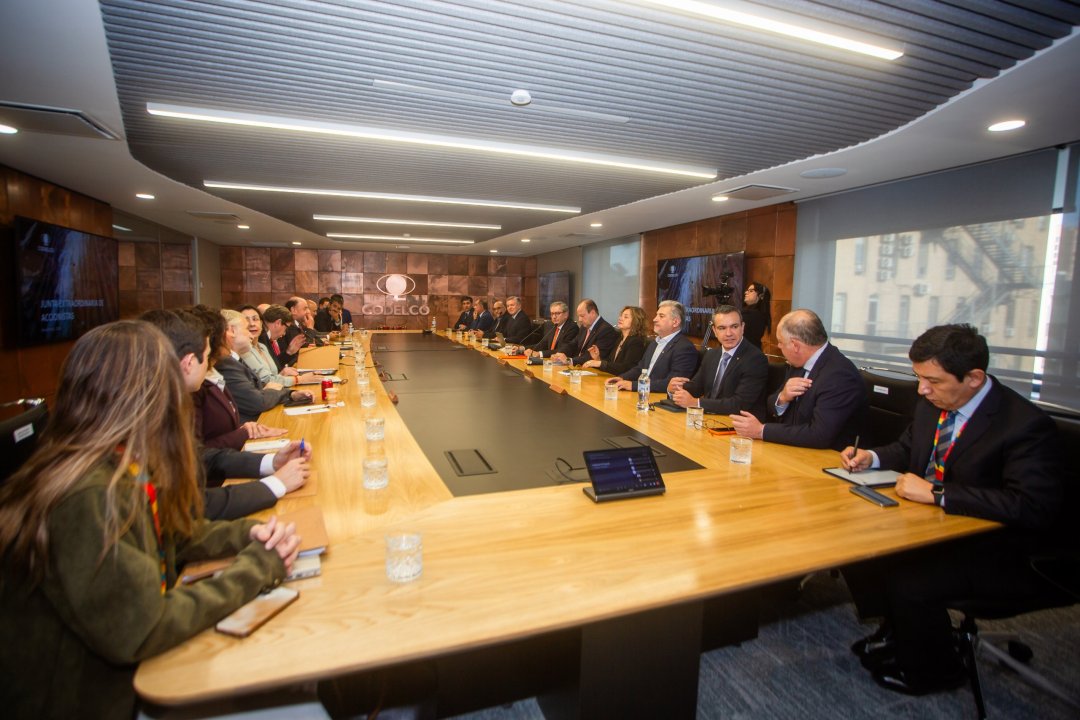
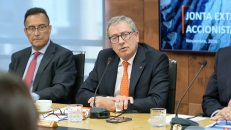
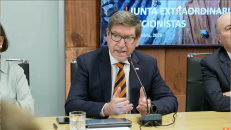
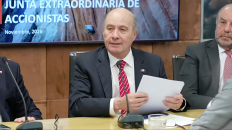
Santiago, November 5, 2026 – Codelco held an Extraordinary Shareholders' Meeting this Thursday, convened at the request of the Minister of Finance, Jorge Quiroz, and the Minister of Economy and Mining, Daniel Mas, in their capacity as representatives of the President of the Republic as a shareholder of the Corporation. The purpose of the meeting was to review and analyze the background information related to the falsely reported production figures for 2024 and 2025, the progress of the ongoing audit investigations, and the measures adopted and those to be implemented. The meeting also addressed the progress of the company's recovery plan.
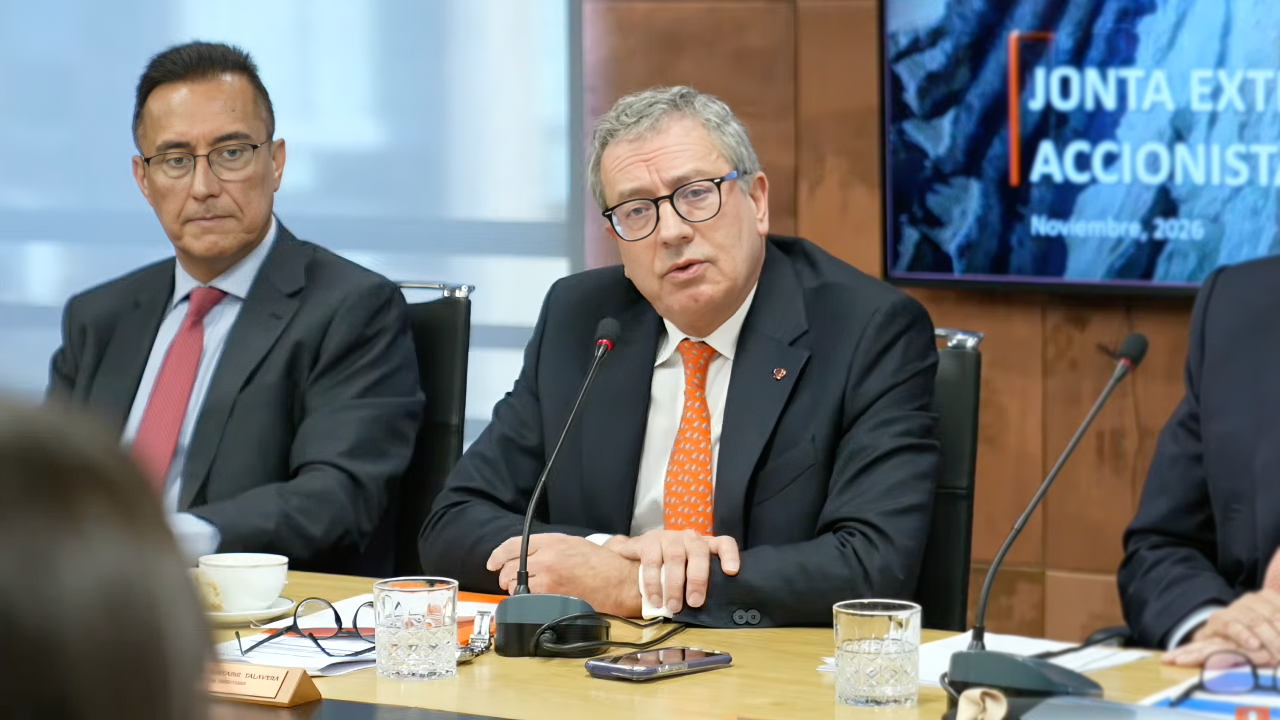
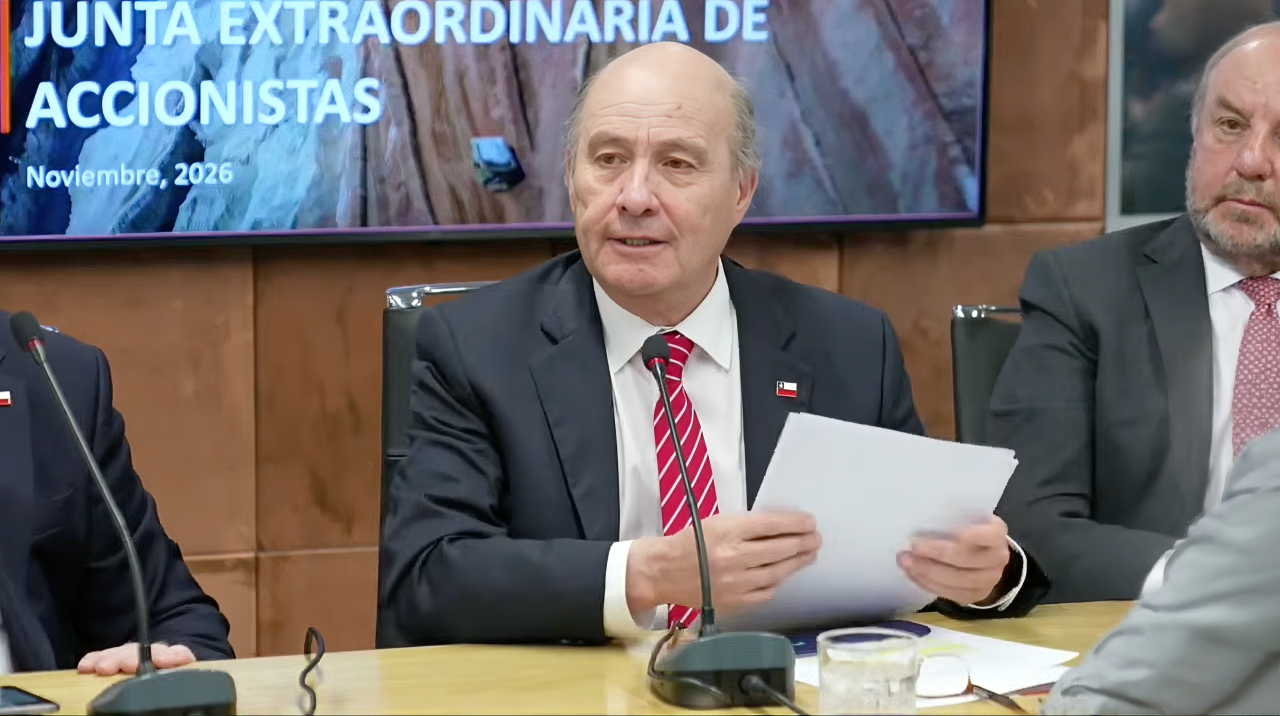
“Although these events occurred in previous years, since taking office we have addressed their clarification with determination and transparency. We are getting our house in order, conducting thorough investigations, and strengthening our controls to ensure that situations like these do not happen again. Our commitment is clear: to produce safely and profitably, safeguard Codelco's assets, and restore confidence in the company,” stated Fontaine.
The chairman of the board explained that the ongoing investigations include Codelco's internal audits and two independent external reviews: one commissioned to KPMG on the production of all divisions during 2024 and 2025, and the forensic audit commissioned to EY to investigate possible production duplications, their causes, responsibilities and effects.
He explained that, according to the information gathered so far, the total production reported in 2024, taking into account the various irregularities, would have been falsely increased by 27,600 tons of copper, while in 2025 the net effect reached 18,100 tons (see table). Fontaine emphasized that the investigations and audits are still ongoing, so these figures could change.
“We are facing serious events that this board considers unacceptable. It is our responsibility to take all necessary actions to clarify what happened, establish accountability based on facts and evidence, recover any damages that may have occurred, and correct the processes and controls that allowed these situations to happen,” Fontaine stated.
The available information shows that the investigated duplications artificially inflated inventories by 18,800 tons of fine copper, with a preliminary impact of between US$120 and US$140 million, which the company's financial auditors are currently determining. It also indicates that these situations altered the calculation of variable incentives for a group of employees and executives, the final figures of which have not yet been determined.
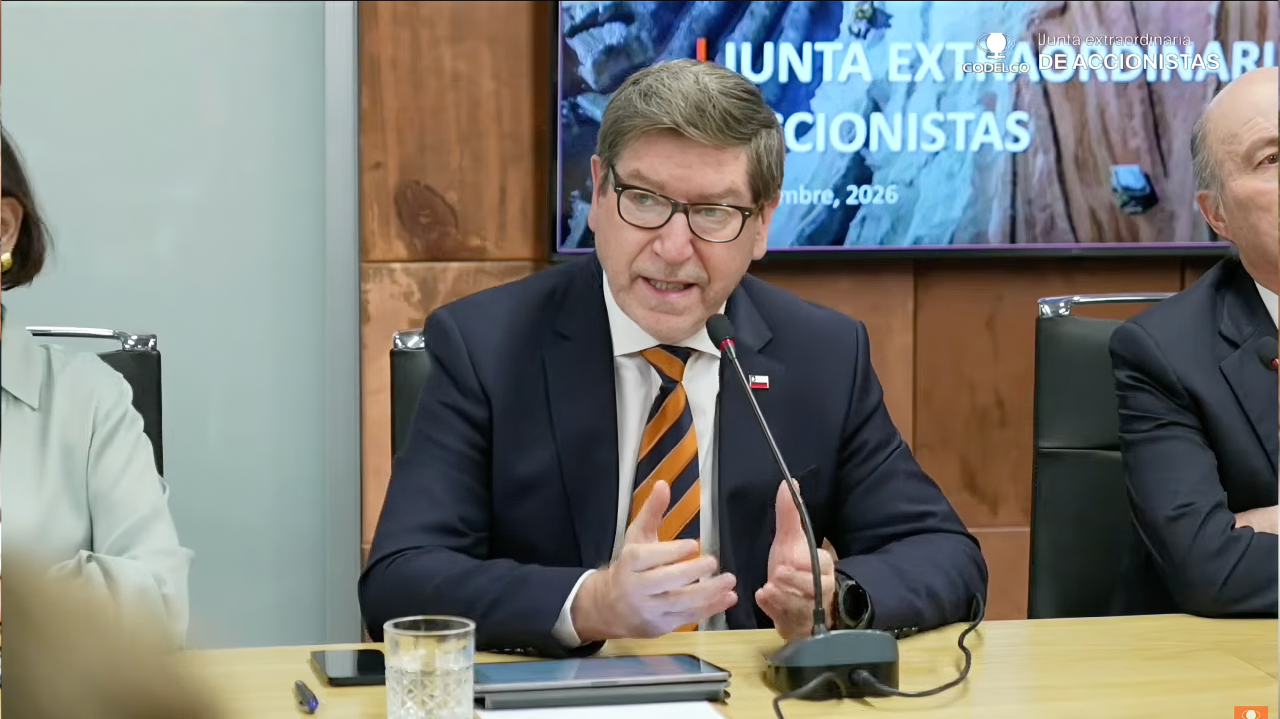
During the meeting, the state-owned company's CEO, Jorge Gómez, detailed the corrective measures implemented to strengthen production and inventory control mechanisms. Among these, he highlighted the updating of metallurgical balance standards, which allow for verification of the amount of copper received, processed, and obtained at each stage of production, as well as the strengthening of inventory control mechanisms. These actions, he explained, aim to ensure that the reported figures accurately reflect the actual production of the divisions and are supported by verifiable data.
“As the new administration, we are taking concrete steps to correct the deficiencies identified and ensure that every ton of copper we report has real and verifiable backing. We are strengthening our controls and moving towards more rigorous, transparent, and efficient management. We also want to be clear that these events do not represent the thousands of workers who do their jobs well every day, with honesty, professionalism, and commitment. It is precisely for them, and for the country, that we have the responsibility to correct what is necessary, restore trust, and strengthen Codelco,” stated Gómez.
Ministers' mandate on the role of directors
At the meeting, the shareholder representatives expressed their support for the actions taken by the board of directors and management to investigate the events, establish accountability where appropriate, adopt corrective measures, and recover any overpayments. They also expressed their support for the Recovery Plan being prepared by the company, aimed at improving operational management, reviewing costs, optimizing resource utilization, and moving toward a safer and more profitable corporation for the State.
“Codelco is a strategic company for Chile, and the State has given a concrete signal of support by capitalizing 100% of the profits from the last fiscal year to strengthen its financial position and allow it to develop its priority investments. This support also entails a requirement: public resources must be managed with discipline, transparency, and rigor, safeguarding the assets of all Chileans,” stated Minister Quiroz.
He added that “as we have pointed out, we must hold the boards of directors of both private and public companies accountable. It is the responsibility of Codelco's board to fully exercise its leadership and oversight of the company, ensure the quality of information, demand efficient and profitable management, and be responsible for the decisions made. Therefore, we support the measures aimed at clarifying these events and strengthening controls, and we have requested that the investigations be exhausted, the corresponding responsibilities be determined, any damages to Codelco's assets be recovered, and that situations of this nature not be repeated.”
For his part, the Minister of Economy and Mining, Daniel Mas, emphasized that strengthening controls must translate into permanent changes in how the company is managed. “We support the cultural shift driven by this board to transform Codelco into a company focused on producing safely and profitably, with disciplined capital management, realistic projections, and clear individual responsibilities.”
Along these same lines, Fontaine indicated that “for too long, at Codelco the discussion was excessively focused on how many tons were produced. But it's not about producing for the sake of producing. It's about producing safely, efficiently, and profitably, with information that accurately reflects our operational capacity.” He added that “we need to build a culture where no pressure to meet a target or improve year-end results can take precedence over safety, ethics, and the company's standards.” In this regard, Fontaine emphasized that Codelco faces significant challenges today and that “we are committed to developing and implementing a Codelco Recovery Plan to improve its profitability, cash flow, and future projections.”
In response to questions from the ministers, Director Tamara Agnic, who chairs Codelco's Audit, Compensation, and Ethics Committee (CACE), explained the process the board followed after receiving internal complaints about irregularities in production. “Clarifying these events has institutional and reputational costs that we must bear. Protecting Codelco requires confronting its problems and correcting them, even when doing so is painful. This is a demanding test for our governance. We will move forward with the same determination with which we have acted thus far,” she affirmed.
“We are convinced that Codelco will emerge stronger. This conviction commits us to persevere in the investigations, accept the consequences, and demonstrate that the measures are implemented and effective. This is the commitment with which we have acted and with which we will continue to act as a team,” Agnic summarized.
The board requested that the current board and the new administration continue the investigations until they are fully clarified, determine the corresponding responsibilities and sanctions, and adopt the necessary measures to prevent similar situations from recurring, in addition to maintaining an open dialogue with shareholders to analyze and review possible changes in the design of the company's governance.
CASE 1 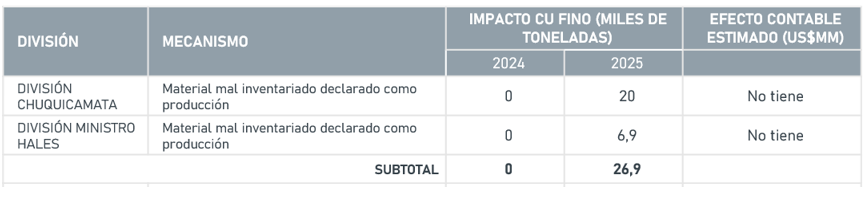
CASE 2 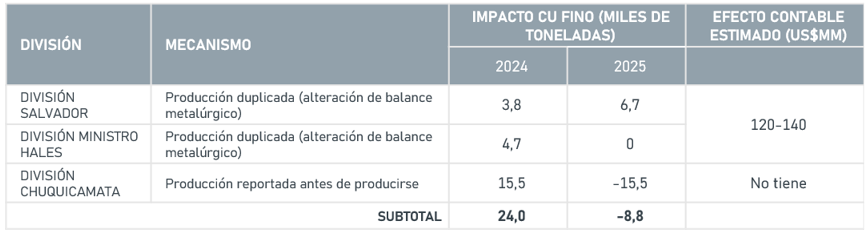

Codelco


×