
Operations

"My Life in Sewell" Exhibition Relives the History of the Mining Camp
The exhibition, promoted by Codelco División El Teniente and the Sewell Foundation, which through original photographs and artifacts offers a detailed account of daily life in the City of Stairs, will be open until August 9 at the Casa de la Cultura in Rancagua.


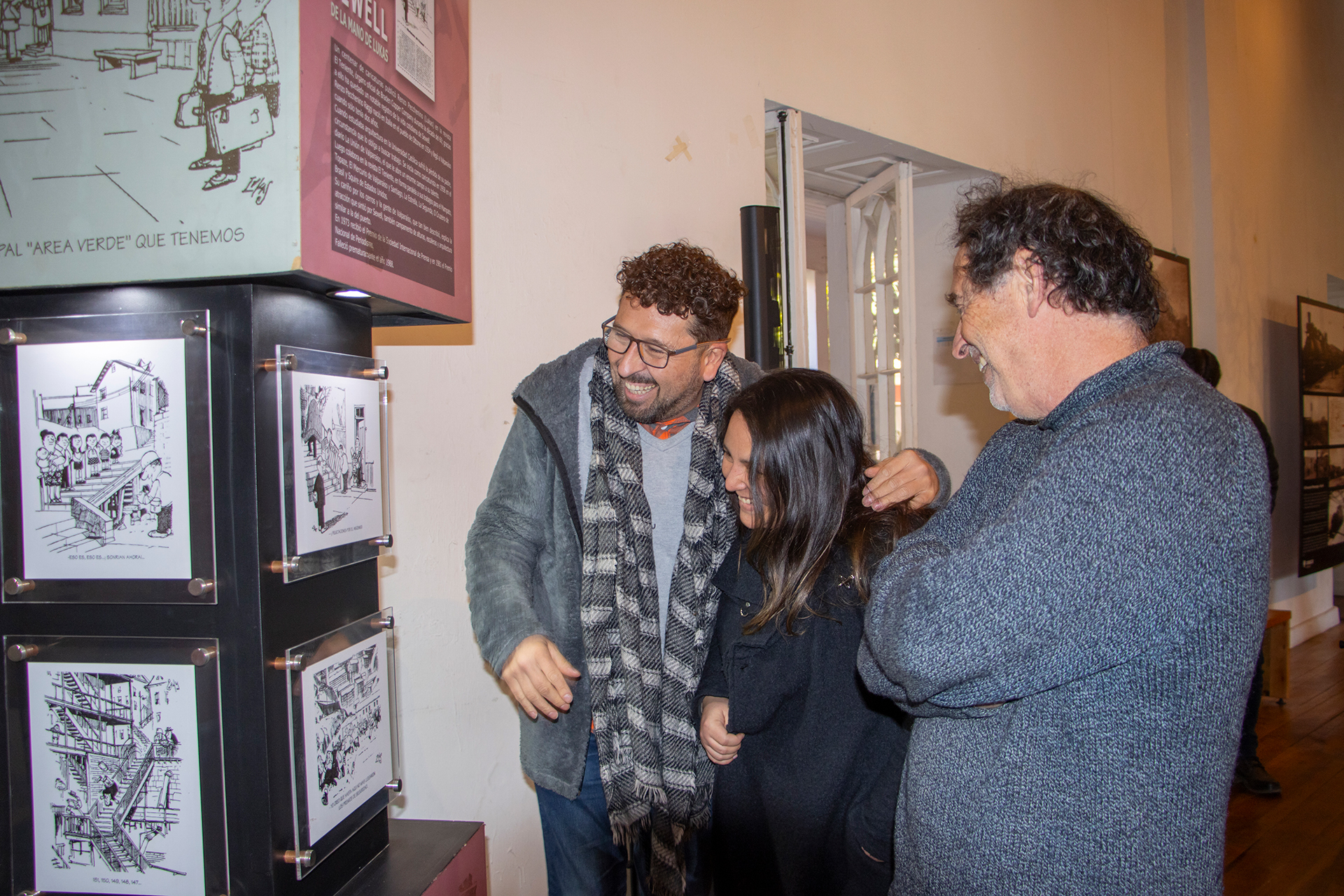
What was it like to be part of the Sewell mining camp? The exhibition "My Life in Sewell" answers this question with a collection of photographs and articles that bring its history to life. Located in the Casa de la Cultura in Rancagua, the exhibition will be open until August 9, with free admission for visitors.
This action was the result of a collaborative effort between Codelco División El Teniente, the Sewell Foundation, the Casa de la Cultura, the Illustrious Municipality of Rancagua, the Regional Directorate of the National Cultural Heritage Service and the Sewell Social Circle.
Simon Mackay, architect and acting director of the Sewell Foundation, said that “Sewell is part of our heritage for both the region and our country, and we want to share it with our neighbors. With the support of Codelco’s El Teniente Division, we are proud to be part of this collaborative work. The goal is for this heritage to be shared and to endure over time.”
Leslie Araya, regional director of the National Cultural Heritage Service, said that “we believe it is important to share this more intimate life of the mining camp. For the Service, the rescue of memory is important. We believe that collaboration between institutions will benefit by improving the quality of life of people and creating spaces for encounter.”
Identity and heritage
“My life in Sewell” seeks to promote and spread the heritage of the mining camp, by offering an immersion in the daily life of the Sewellians. Its stations aim to make known the historical and cultural richness of life, highlighting its importance at a regional and national level.
The exhibition features objects that illustrate work and leisure life at Sewell. Visitors can browse information panels and display cases with historical artefacts. In addition, for the first time, a model of a workers' dwelling donated by former Sewell resident Héctor Vargas is on display, offering a detailed insight into life at the camp.
Patricio Letelier, chief architect of the Heritage and Tourism Department of the Municipality of Rancagua, said that “this exhibition allows the people of Rancagua, especially the younger generations, to get closer to this enormous heritage, its stories, its characters and all the wealth it contains.”
Marco Cáceres, president of the Sewell Social Circle, added that “we received this initiative with great honor and gratitude. This exhibition also reflects us as Sewellinos. They have us in mind. We are very grateful that the Codelco authorities are promoting this initiative towards the community.”
This exhibition marks the beginning of a series of displays that seek to bring these historical items to other communities. For more details about the exhibition and future events, please consult the information on the social networks of Codelco División El Teniente and the Sewell Foundation.
“Keeping identity alive”
Jorge Moreno, host of the radio segment “Sewellinos por siempre” (Sewellinos forever), said that "this exhibition has been disseminated to keep Sewell's identity alive and ensure that his story remains part of our memory. It is an important project that contributes to rescuing and preserving the history we carry in our memories."
Visiting the exhibition, former Sewell Hospital doctor Samuel Barros recalled that “I was lucky enough to work for three years in Sewell, a fascinating town, almost hidden in the mountains, which came to house almost 15,000 people. This exhibition is invaluable because it reminds us that without history, we cannot know our roots, nor understand who we are.”
The same feeling of excitement and nostalgia was felt by Nora Cornejo, a former resident of Sewell. “I find it interesting that this exhibition is being displayed and that it changes places so that people can see the life we had. All these memories bring back a lot of nostalgia, because I always say that my happiest part was my childhood and I lived it there.”
Tags
×